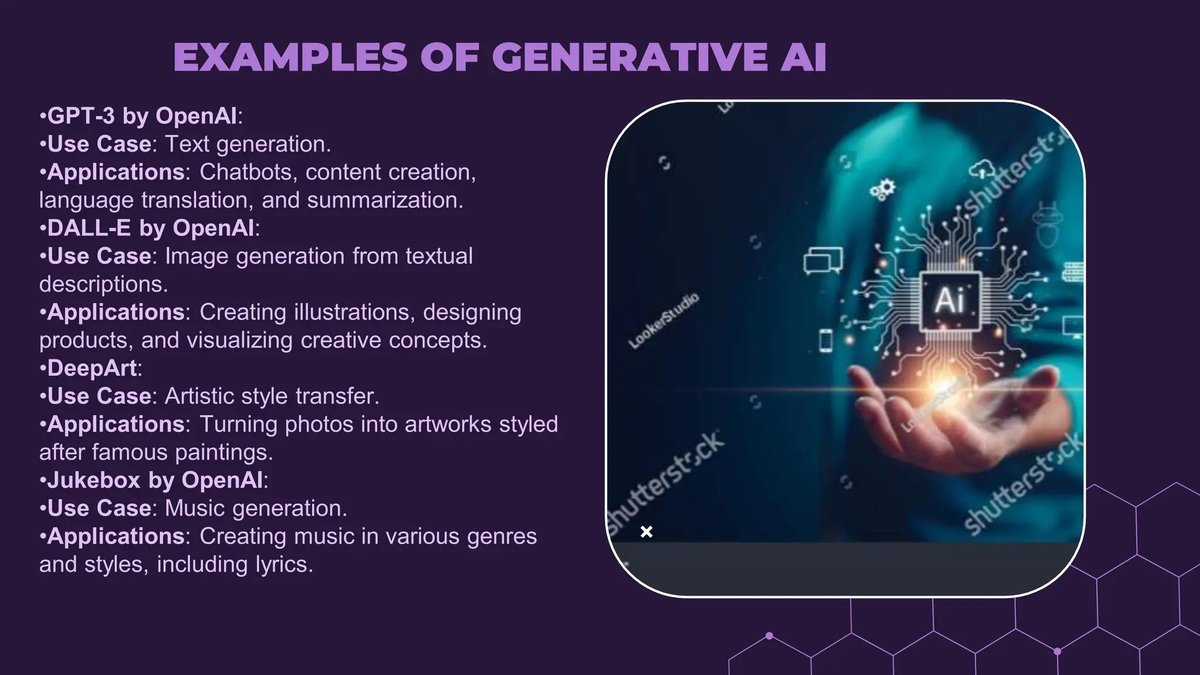
The relentless, abrasive sound of grindcore has always been a primal scream against the status quo. It’s a genre defined by speed, aggression, and often, a fiercely independent, DIY spirit. But what happens when the cutting edge of artificial intelligence meets the raw fury of extreme music? The answer isn't a dilution of its essence, but a potent amplification of its creative potential. We're talking about Applications Beyond Lyrics: AI for Grindcore Branding & Concepts, where smart algorithms don't replace the human element, but empower it, opening up new frontiers for artists, producers, and fans alike.
Forget simply generating blast beats or crafting generic riffs. Modern AI tools are sophisticated enough to grasp and even contribute to the intricate, often politically charged, and visually distinct aesthetic that defines grindcore. From designing brutal album art to engineering complex soundscapes and shaping an entire band's persona, AI is becoming an indispensable ally in the grindcore arsenal.
At a Glance: AI's Impact on Grindcore
- Visual Identity: AI can generate distinctive band names, craft intricate logos with tools like Dallgoth, and produce compelling album art and promotional visuals, ensuring a consistent and brutal aesthetic.
- Sonic Engineering: From generating unique riffs and drum patterns with Riffusion v1 or Drumics, to demixing tracks, creating mashups with DJ.Studio, and refining production, AI tools enhance sound creation and manipulation.
- Conceptual Depth: AI assists in developing complex lore, politically charged themes, and narrative elements, acting as a research assistant (Undermind, Grokipedia) or a creative prompt engine.
- Audience Engagement: Tools like Hypergro and data analysis capabilities within AI GPTs help bands understand and connect with their fanbase, tailoring marketing efforts effectively.
- Workflow Efficiency: Automating repetitive tasks allows artists to focus more on creative expression and less on technical hurdles, speeding up production from concept to release.
- Accessibility: These tools lower the barrier to entry for aspiring artists, making professional-grade creative resources available without extensive coding or technical expertise.
The Blast Beat of Innovation: Why AI & Grindcore Now?
Grindcore, at its heart, is about pushing boundaries—sonic, thematic, and often, political. So, it should be no surprise that its practitioners are increasingly looking towards the most innovative tools available. The rapid advancement of generative AI, particularly large language models (LLMs) and advanced image/audio generation platforms, has brought forth a suite of capabilities directly applicable to the genre's unique demands.
These aren't just generic AI programs; we're witnessing the rise of specialized "AI GPTs for Grindcore Aesthetics." These advanced generative pre-trained transformer technologies are explicitly tailored to understand and produce content aligning with grindcore's aggressive, fast-paced, and often confrontational themes. By processing vast amounts of genre-specific data—from lyrical patterns and sonic structures to visual motifs and cultural references—these AI tools offer solutions for content creation, analysis, and interaction within this niche yet incredibly vibrant community. They stand out due to their adaptability, ranging from generating visuals that resonate with the grindcore aesthetic to providing analytical insights on genre trends.
Forging the Brand: AI as Your Grindcore Aesthetic Architect
A grindcore band is more than just its sound; it's a complete sensory assault. The visual identity and overarching brand concept are paramount, often conveying as much aggression and thematic depth as the music itself. AI offers unprecedented power in shaping this identity.
Crafting Your Identity: Band Names & Logos
Before the first note screams, you need a name that embodies your band's ethos and a logo that sears itself into the minds of your audience. The traditional path involves endless brainstorming and design iterations, but AI can kickstart this process with brutal efficiency.
Imagine using an AI Band Name Generator that, instead of generic rock names, understands the lexicon of grindcore—words associated with decay, protest, speed, and horror. You feed it keywords like "dystopia," "blast beat," "corrosion," "societal collapse," and it churns out dozens of unique, genre-appropriate suggestions. This not only saves time but can spark ideas you might never have considered.
Similarly, the visual identity, particularly the logo, is non-negotiable for a grindcore outfit. It needs to be raw, often illegible, yet iconic. Tools like Dallgoth, described as a "Generator of Darkness," are specifically designed for crafting intricate, unique grindcore logos. You can input parameters—"spiky," "decaying text," "biological horror," "geometric chaos"—and watch as AI renders multiple variations. This democratizes high-quality design, allowing even bands with limited budgets to achieve a professional, menacing look that perfectly captures their sound. Combined with general AI art platforms like GRAVITI Diffus, the possibilities for unique visual branding are virtually limitless.
Visual Brutality: Album Art & Promotional Materials
Album art in grindcore isn't just a cover; it's a statement. It's often grotesque, confrontational, or deeply symbolic, reflecting the music's themes. AI image generators can become your personal graphic design studio, capable of producing stunningly relevant visuals for sleeves, merchandise, and promotional campaigns.
Using tools like GRAVITI Diffus, you can input detailed text prompts describing the visceral imagery you envision: "hyper-realistic severed limbs in a dystopian landscape, corporate logos decaying," or "abstract chaos of grinding gears and screaming faces." The AI interprets these prompts and generates unique, high-resolution images. This allows for rapid prototyping of ideas, iterating on concepts until you achieve the perfect visual representation of your sound. You can even train AI models on specific art styles or existing grindcore album covers to maintain a consistent aesthetic across all your branding, from social media banners to tour posters. This level of consistency, managed with AI, helps solidify your band's visual impact, making it instantly recognizable to fans.
Engineering the Chaos: AI in Grindcore Sound & Composition
While the human element of writing and performing is irreplaceable, AI can significantly augment the creative process for grindcore musicians, helping them push sonic boundaries and streamline production.
Riff Generation & Song Structure
The essence of grindcore lies in its relentless, often chaotic, yet tightly structured riffs and blast beats. Imagine having a tool that can instantly generate new, brutal guitar riffs or drum patterns based on your desired tempo, key, and aggression level. Tools like Riffusion v1 offer real-time AI music generation from text prompts, allowing you to "riff" on ideas quickly. You could input "fast tremolo picking, dissonant chords, D standard, extreme aggression" and get a musical motif to build upon.
Drumics, on the other hand, specializes in turning rhythmic ideas into music. For a genre where intricate, blindingly fast drumming is a cornerstone, having an AI that can help you flesh out complex blast beat variations, gravity blasts, or intricate fills can be a game-changer. DiffRhythm can then take these individual elements and create complete song structures in seconds, providing a skeleton for you to refine and infuse with human feel. And for endless sonic exploration, DADABOTS has demonstrated neural networks capable of generating death metal 24/7—a testament to AI's ability to grasp and replicate extreme metal characteristics, which can be adapted for grindcore composition.
Demixing & Remixing: Sculpting Sonic Aggression
Grindcore production often benefits from experimentation and precise sonic manipulation. AI tools are revolutionizing how musicians interact with existing audio. Free Music Demixer v2.0, StemSplit, and SplitSong allow you to separate songs into individual instrument tracks—vocals, drums, bass, guitar—with remarkable accuracy.
This capability is invaluable for several reasons:
- Learning and Analysis: Aspiring musicians can isolate specific instruments from their favorite grindcore tracks to study playing techniques.
- Remixing and Sampling: Bands can isolate elements from their own demos (or even public domain samples) to create new, experimental tracks or mashups. DJ.Studio, for instance, helps you create mashups and DJ mixes, perfect for crafting intros, outros, or unique transitions for live sets or radio shows.
- Production Refinement: If you have a raw recording, but a particular instrument is muddy or needs further processing, demixing allows you to target just that track for EQ, compression, or effects without affecting the entire mix. This precise control helps sculpt a tighter, more impactful sound, crucial for grindcore's density.
Rhythmic Foundations: Drum Machines & Beat Creation
The drum machine, once a symbol of sterile electronic music, now finds a brutal new purpose in AI-powered grindcore. The Infinite Drum Machine, using sounds from everyday life, can inspire unconventional percussive elements that break away from traditional drum samples. Imagine generating a beat using the sound of smashing glass, grinding metal, or a roaring engine, all within a rhythmic context suitable for grindcore.
For those looking to inject specific rhythmic influences, perhaps from related genres, Phonk Maker can help create unique drum patterns or bass lines that cross-pollinate with the aggressive energy of grindcore, adding a fresh layer to your sonic palette. These tools aren't about replacing a drummer; they're about expanding the rhythmic vocabulary and providing unique textures that enhance the overall percussive impact.
Beyond the Soundwave: AI for Grindcore Storytelling & Engagement
Grindcore often carries profound thematic weight, tackling political commentary, social injustice, environmental destruction, and existential dread. AI can deepen this conceptual well and help artists connect with their audience on a more profound level.
Conceptual Depth: Lore, Themes, & Narrative Hooks
Developing compelling lore or complex thematic narratives can be as challenging as writing the music itself. AI can serve as an unparalleled research assistant and idea generator. Tools like Undermind can read and summarize academic papers or news articles on specific topics relevant to your themes—be it geopolitical conflicts, philosophical concepts, or scientific advancements—providing you with dense, relevant information quickly. Grokipedia, an AI-powered knowledge encyclopedia, could further enhance your research into niche topics, giving your lyrical and conceptual framework a robust, informed foundation.
While AI may not write your soul-crushing lyrics directly (the human experience of anger and frustration remains key), it can certainly inspire them. You can use text AI to brainstorm different angles for protest songs, explore dystopian scenarios, or even generate abstract poetic imagery that resonates with grindcore's intensity. If you're looking for new ways to convey your message or explore complex political ideas in your manifestos or song introductions, you might want to Discover AI-generated grindcore text to kickstart your creative process. This can help you articulate intricate concepts or generate diverse phrasing for your core messages, ensuring your thematic depth is as impactful as your sound.
Connecting with the Horde: Marketing & Audience Insight
In today's oversaturated music landscape, reaching your audience—the "horde"—requires more than just good music; it demands smart marketing and genuine engagement. AI provides tools to streamline these efforts.
AI GPTs for Grindcore Aesthetics offer data analysis capabilities to understand audience engagement. By analyzing social media interactions, streaming data, and website traffic, AI can identify patterns in fan behavior, revealing which themes resonate most, which promotional materials perform best, and where your audience is most active. This allows you to tailor your marketing strategies, creating content that truly connects.
For promotional content, Hypergro leverages AI to create user-generated content (UGC) video ads for smart customer acquisition. Imagine generating short, impactful video snippets featuring fan-submitted content (mosh pit footage, fan art) combined with your music, all optimized by AI for maximum reach and engagement. This authentic approach taps into the community aspect of grindcore, making fans feel like an integral part of your band's journey.
Furthermore, collaborative platforms like Cosonify use AI to help bands find and develop song ideas together, everywhere. This can extend beyond songwriting to conceptual development, allowing band members, or even a trusted group of collaborators, to brainstorm and refine ideas for branding, album art concepts, or marketing campaigns in a structured, AI-assisted environment.
Navigating the Mosh Pit: Ethical Considerations & Creative Control
The introduction of AI into any creative field inevitably raises questions about authenticity, ethics, and the role of the human artist. Grindcore, with its emphasis on raw emotion and often socio-political commentary, is particularly sensitive to these concerns.
Authenticity vs. Automation
One of the primary fears is that AI will dilute the raw, human authenticity that defines grindcore. Will an AI-generated riff ever have the same emotional weight as one forged through human anger, frustration, and passion? The consensus among forward-thinking artists is that AI should be viewed as a tool, not a replacement.
AI doesn't feel or experience the world. It processes data and generates outputs based on patterns. The human artist remains the curator, the director, and the soul behind the creation. AI can generate thousands of brutal logos, but it takes a human eye to select the one that truly encapsulates the band's spirit. AI can churn out endless riffs, but it takes a human ear to assemble them into a cohesive, impactful song that tells a story. The grindcore musician's role shifts from purely manual creation to one of guided creativity, leveraging AI's computational power to explore possibilities far beyond what a single human could achieve in a lifetime, all while maintaining complete artistic control.
Copyright & Ownership
The legal landscape surrounding AI-generated content is still evolving. Who owns the copyright to a logo designed by Dallgoth, or a riff generated by Riffusion? Currently, many jurisdictions tend to grant copyright to the human creator who guided the AI and made the final selections and modifications. However, this is a complex and rapidly changing area.
Artists need to be aware of the terms of service for any AI tool they use. Some platforms may retain certain rights to the generated content, or require specific attribution. It's crucial to understand these implications, especially when planning commercial releases or merchandising. As the technology matures, clearer legal frameworks will undoubtedly emerge, but for now, artists should proceed with informed caution and prioritize tools that clearly define user ownership.
Avoiding Generic Output
While AI can be incredibly powerful, there's always a risk of generic, algorithmically "safe" output if not guided properly. If everyone uses the same prompts and the same AI models without injecting their unique creative vision, the result could be a homogenization of aesthetics.
The key to avoiding this pitfall lies in sophisticated prompting, creative curation, and significant human intervention. Think of AI as an incredibly skilled but utterly obedient apprentice. You wouldn't hand over your entire album concept to an apprentice and expect a masterpiece without your input. Similarly, with AI, the more specific, nuanced, and detailed your prompts, and the more you refine, combine, and iterate on the AI's output, the more unique and impactful the final result will be. Grindcore, above all, thrives on individuality and raw expression. AI is there to help articulate that individuality, not to erase it.
Your Blueprint for AI-Powered Grindcore Domination
The world of grindcore is evolving, and AI is here not to destroy its ethos, but to fortify it. Embracing these tools is about expanding your creative horizons, streamlining tedious tasks, and reaching your audience with greater impact. Here’s how you can start integrating AI into your grindcore workflow:
- Experiment Fearlessly: Dive into the tools mentioned—Band Name Generator, Dallgoth, Riffusion v1, Drumics, StemSplit, GRAVITI Diffus, and explore others on platforms like Boredhumans. The best way to understand their potential is to get hands-on.
- Define Your Vision: Before you prompt an AI, have a clear idea of your band's thematic direction, sonic aspirations, and visual aesthetic. The clearer your human vision, the better the AI can assist in manifesting it.
- Use AI as a Co-Creator, Not a Replacement: AI excels at generating ideas, variations, and raw material. Your role is to curate, refine, and infuse these outputs with your unique artistic soul. The human touch is what elevates grindcore from noise to art.
- Stay Updated: The AI landscape is changing rapidly. Follow developments, read about new tools, and be open to integrating new technologies as they emerge. What seems impossible today might be a standard workflow tomorrow.
- Focus on Specific Problems: Instead of trying to "AI your entire band," identify specific pain points. Need a logo? Try Dallgoth. Struggling with a drum pattern? Experiment with Drumics. Want unique promotional videos? Look into Hypergro.
- Network and Share: Connect with other grindcore artists who are experimenting with AI. Share your discoveries, challenges, and successes. The community aspect, so vital to grindcore, remains key in this new frontier.
The future of grindcore is not a sterile, algorithmic soundscape, but a ferocious symphony empowered by unprecedented tools. By understanding and strategically applying AI beyond just lyrics, you can sculpt a brand, forge a sound, and build a concept that not only honours the genre's aggressive legacy but also propels it into a new era of sonic and visual brutality. The blast beats are calling—will you answer with AI?